With AI, everyone sounds like an expert: how to tell who's actually thinking
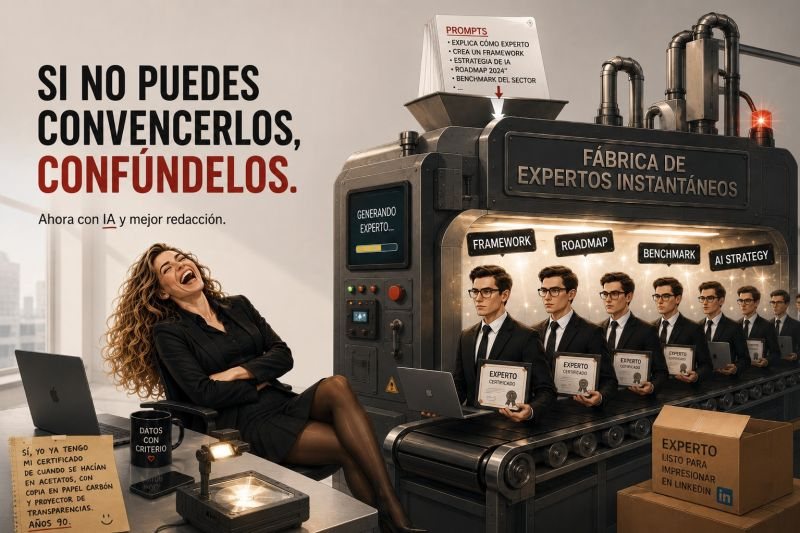
If you can't convince them, confuse them.
Remember how it used to be obvious when someone didn't really know what they were talking about? They'd go around in circles, stuff the PowerPoint with big fancy words, say “benchmark,” “roadmap,” “omnichannel strategy,” and you could still tell it was pure bluff.
That's changed.
It's never been this easy to say just about anything... in an expert tone.
AI tidies up your mess, polishes your writing, builds you a gorgeous table, and leaves your idea sounding downright smart even if it wasn't.
And that's where the problem starts. Because now everyone can sound clear, smart, and strategic. Well, almost everyone...
So the question I keep chewing on is: how do we tell the people who actually think apart from the people who just learned to sound like they do?
Because a pretty answer can hide a weak idea, a table can hide an absurd assumption or a damn chaos of data, and a flawless text can say absolutely nothing.
And at this stage, I think judgment is going to show much less in how you write... and much more in what you're able to question before you publish, present, or decide.
My very personal radar: if people argue with their AIs, it's because they think critically... all that glitters isn't gold, and not everything that's well written is AI...
Publicado originalmente en LinkedIn.
Sound familiar? With Clean up your data we check where every number comes from and what doesn't add up.