In retail, the story often beats the data
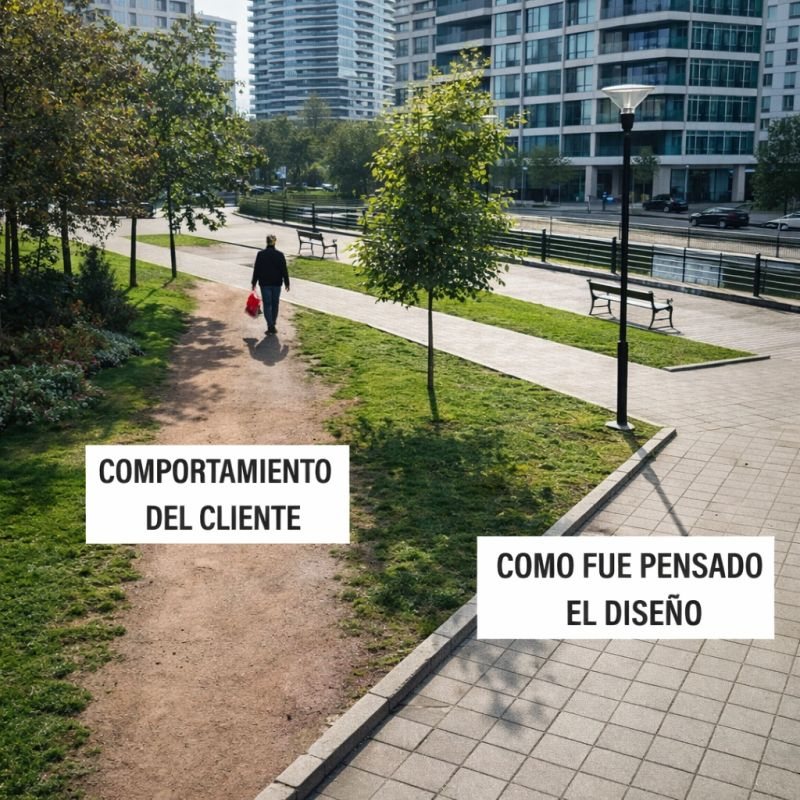
Did you know the story often beats the data?
Retail spends millions designing what it thinks will be the perfect customer experience, the customer journey studied to death...
And in practice, the customer does whatever they feel like.
No warning. No apology. No permission.
There are things I see all the time, and they repeat across different clients:
The interactive screen inside the store. Shiny, modern, expensive. The customer looks at it for two seconds (if they look at all) and keeps walking. Nobody measured whether anyone used it.
It just sits there, glowing all by itself like a Christmas tree in February.
The virtual assistant to “improve service.” Proudly presented to the board, in the innovation deck, in the press release. In practice, the customer ignores it, looks for someone with a pulse, and asks that person. Because no matter how much companies want to automate, a customer who walks into a physical store still wants a real person to tell them “yes, that's what you need.”
Self-checkouts are fantastic. Seriously. Efficient, fast, well thought out. But the staffed registers still have a line. And the self-checkout lanes are empty. Why? Because the customer doesn't trust that the discount was applied. Because they're not sure they did it right. Because they'd rather have someone confirm everything is correct. Seniors didn't disappear — there are more of them every year and nobody is designing for them.
It's not that the technology is bad. Quite the opposite. It's that because it was trendy, because someone saw it on a trip, because that's how they do it in Europe... it got rolled out everywhere before anyone watched how the real customer behaves, the one in Latin America. Before piloting. Before measuring. Before asking behavior — the only thing that always tells the truth.
And the gap between what you think is happening and what's actually happening keeps getting more expensive.
I know because I spend my days watching customer behavior. I don't settle for what the study says. I don't believe surveys. Because what I see in real behavior is almost always different from what any survey reports.
What doesn't get measured can't be improved. And what gets measured badly is even worse.
Publicado originalmente en LinkedIn.
Sound familiar? With Clean up your data we check where every number comes from and what doesn't add up.